
2026 Ford Explorer Interior: Ergonomics and Design Philosophy
The 2026 Ford Explorer redefines its cabin architecture with a focus on intuitive control and sophisticated aesthetics, integrating advanced material science for enhanced tactile quality and durability. Engineers prioritized driver-centric layouts, ensuring all primary controls are within easy reach and sight, minimizing distraction during operation. A refreshed dashboard design emphasizes horizontal lines, broadening the visual expanse of the interior and contributing to an open, airy atmosphere.
Premium soft-touch surfaces are strategically applied across the door panels and console, elevating the perceived luxury and comfort for all occupants. Extensive acoustic dampening technologies have been employed to significantly reduce road and wind noise, cultivating a serene environment conducive to long-distance travel.
Passenger Accommodations and Cargo Versatility
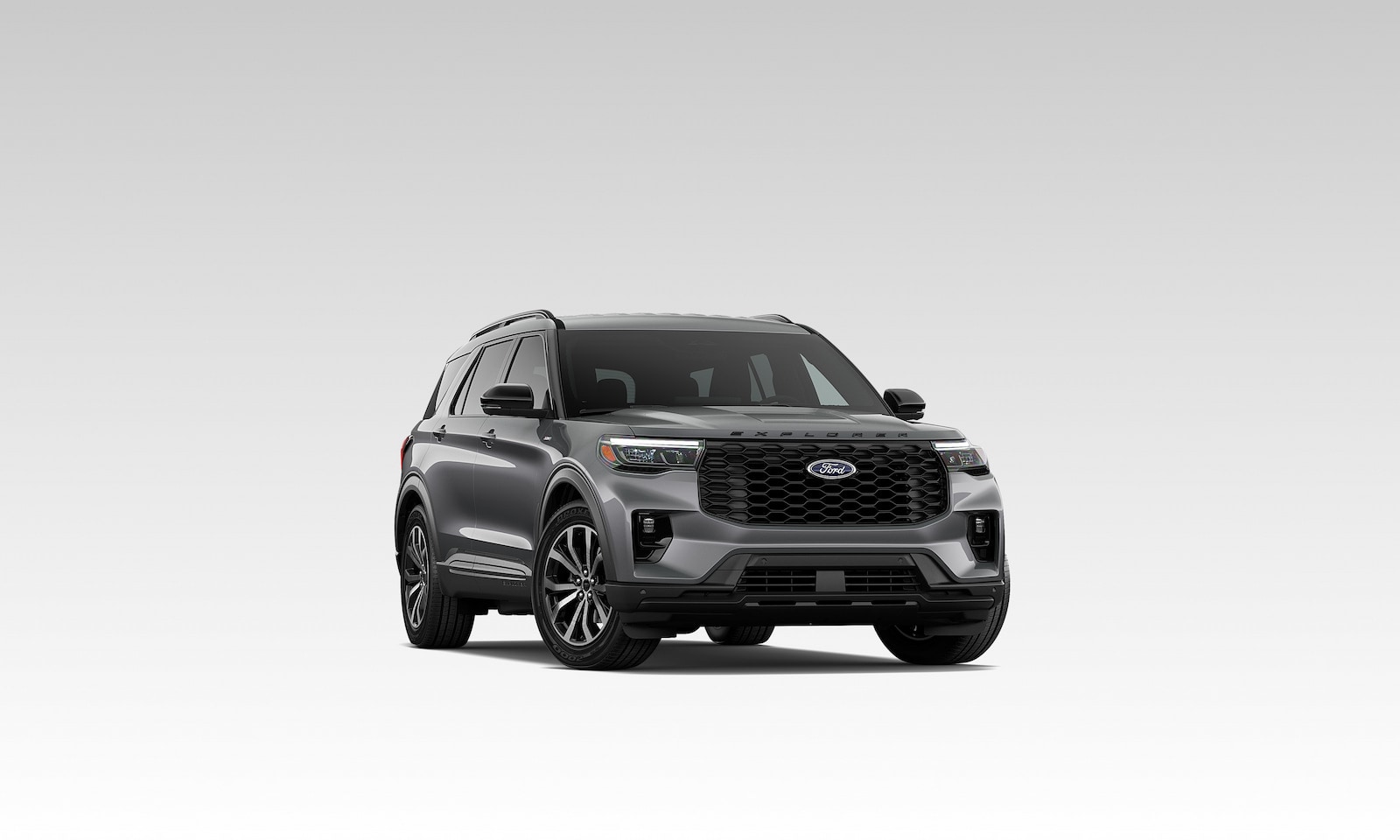
The 2026 Ford Explorer excels in providing generous passenger accommodations across all three rows, a critical attribute for its family-oriented demographic. Occupants in the second row benefit from enhanced legroom and available captain's chairs, offering individual comfort and improved ingress/egress to the third row. When evaluating the substantial utility and advanced features, prospective buyers often consider the new Ford Explorer for its compelling balance of space and technology.
- Three-row seating for up to seven passengers.
- Available second-row captain's chairs for enhanced comfort.
- Up to 87.8 cubic feet of cargo volume with rear seats folded.
The third-row seating, often a compromise in mid-size SUVs, is designed to comfortably accommodate adults for shorter journeys, featuring improved headroom and dedicated climate vents. Furthermore, the cargo area behind the third row is thoughtfully sculpted to maximize usable volume, complemented by a power-folding third row for effortless expansion of storage capacity.
Advanced Infotainment and Connectivity Systems
The 2026 Ford Explorer integrates a sophisticated array of infotainment technologies, centered around an available large, vertically oriented touchscreen display that offers crisp graphics and intuitive operation. This central interface provides seamless access to navigation, media, and vehicle settings, enhanced by multi-touch gesture support. Wireless Apple CarPlay and Android Auto compatibility are standard across most trims, ensuring effortless smartphone integration for a broad range of users. Complementing the touchscreen, an available 12.3-inch digital instrument cluster provides customizable information displays, allowing drivers to prioritize data such as speed, fuel economy, and advanced driver-assist system status. Multiple USB-C ports are strategically placed throughout the cabin, alongside an optional wireless charging pad, ensuring all devices remain powered for extended trips.
Innovative Safety and Driver-Assistance Features
Safety remains a paramount consideration for the 2026 Ford Explorer, which incorporates a comprehensive suite of advanced driver-assistance systems designed to enhance occupant protection and situational awareness. Ford Co-Pilot360™ Assist 2.0 comes standard or is available on higher trims, providing features like Intelligent Adaptive Cruise Control with Stop-and-Go, Lane Centering, and Speed Sign Recognition. Enhanced active park assist 2.0 simplifies parking maneuvers in both parallel and perpendicular spots, autonomously steering the vehicle while the driver manages throttle and braking. Additionally, the Blind Spot Information System (BLIS®) with Cross-Traffic Alert offers crucial warnings when vehicles are in blind spots or approaching from the side while backing up. These integrated technologies collectively contribute to a more secure and confident driving experience, reflecting Ford's commitment to cutting-edge automotive safety.
Categories:
New Inventory